
Different Goals, Shared Culture -The Great Skateboarding Debate

As skateboarding embraces the Olympic stage, some celebrate new opportunities while others fear the loss of a culture built on freedom and individuality.
For decades, skateboarding existed proudly outside the boundaries of traditional sport. It wasn't built on organised pathways, governing bodies, or elite programs. It thrived in car parks, backyard ramps, city streets and DIY skateparks, driven by creativity, individuality, and community.
Today, skateboarding is an Olympic sport.
For many, Olympic inclusion is a positive step. It has brought greater recognition, funding, facilities and opportunities for talented young skaters to compete on the world stage. It has helped legitimise a culture that was often dismissed or misunderstood.
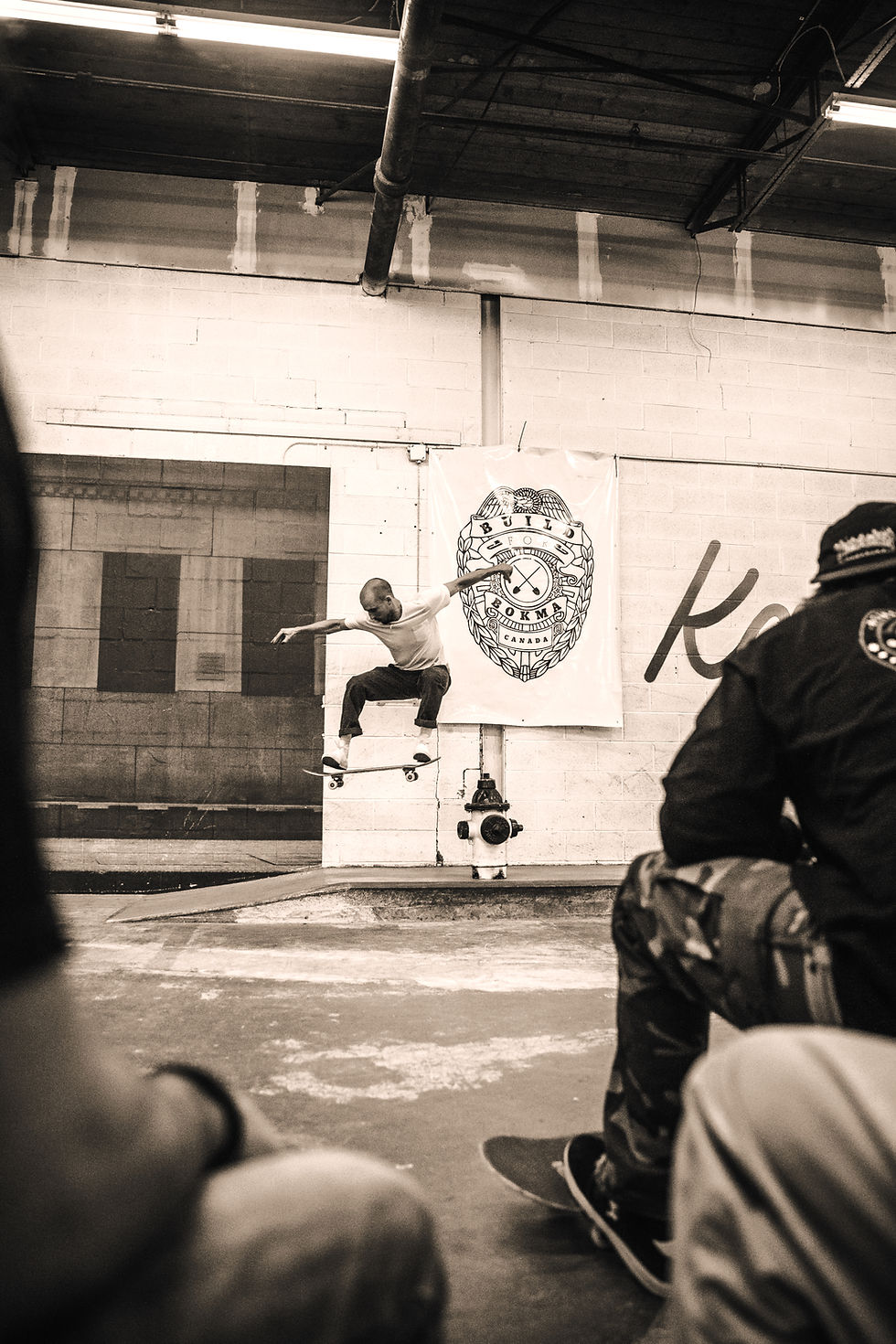
Yet not everyone within the skateboarding community celebrates this evolution.
Many skaters worry that Olympic pathways are encouraging skateboarding to conform to the structures of traditional sport. Rankings, selection criteria, coaching programs and performance outcomes are becoming increasingly important. Critics argue that this risks shifting the focus away from what has always made skateboarding unique: creativity, self-expression and participation on your own terms.
Unlike most sports, skateboarding has never measured success solely by
competition. A skater filming a street part, building a local scene, or simply progressing alongside friends has traditionally been valued just as much as a contest winner.
The culture has always been more than just trophies and medals.
The concern is not necessarily that skateboarding is now in the Olympics, but that Olympic success could become the dominant measure of achievement. When young skaters are encouraged to follow structured performance pathways from an early age, some fear the culture may gradually lose the freedom and individuality that defined it for generations.

At the same time, many Olympic athletes remain deeply connected to skateboardings roots, proving that competitive success and authentic skate culture do not have to be mutually exclusive.
Skateboardings strength has always been its diversity. As the sport continues to grow on the world stage, the community must ensure that medals are not valued more highly than creativity and pathways do not become more important than culture.
Perhaps the real challenge is finding a balance. There should be room for the athlete pursuing Olympic dreams and the skater who simply enjoys the freedom of rolling through the streets with friends.
In my opinion, skateboarding has always been built on diversity, inclusion and the freedom to participate in whatever way brings an individual joy and fulfilment. Whether a skater's goal is to represent their country at the Olympics or simply spend weekends skating with friends, both journeys are equally valid.
We do not all have to share the same ambitions, but we should respect each other's right to pursue them.
If we can remain accepting of different perspectives and different goals, skateboarding can continue to evolve without losing the culture that has always made it unique.
The future of skateboarding should not be defined by choosing one path over another, but by ensuring there is space for both.






Comments